



Discover the Secrets: Naturally Restore Your Hormonal Harmony Today
Have you ever felt like something was “off” in your body but couldn’t quite identify what? I’ve been there too. Our hormones silently orchestrate virtually every aspect of our health from energy levels and mood to weight management and sleep quality. When they fall out of balance, the effects can be both subtle and profound. After struggling with hormonal issues myself, I’ve discovered a wealth of natural approaches that have transformed my well-being, and I’m thrilled to share these life-changing insights with you.
In our fast-paced world, hormonal imbalances have become increasingly common. The good news? We have remarkable power to naturally restore balance through simple, everyday choices. Whether you’re dealing with persistent fatigue, mood swings, weight fluctuations, or other unexplained symptoms, understanding how to work with your body’s natural rhythms can create dramatic improvements in how you feel.
Understanding Your Hormonal Symphony
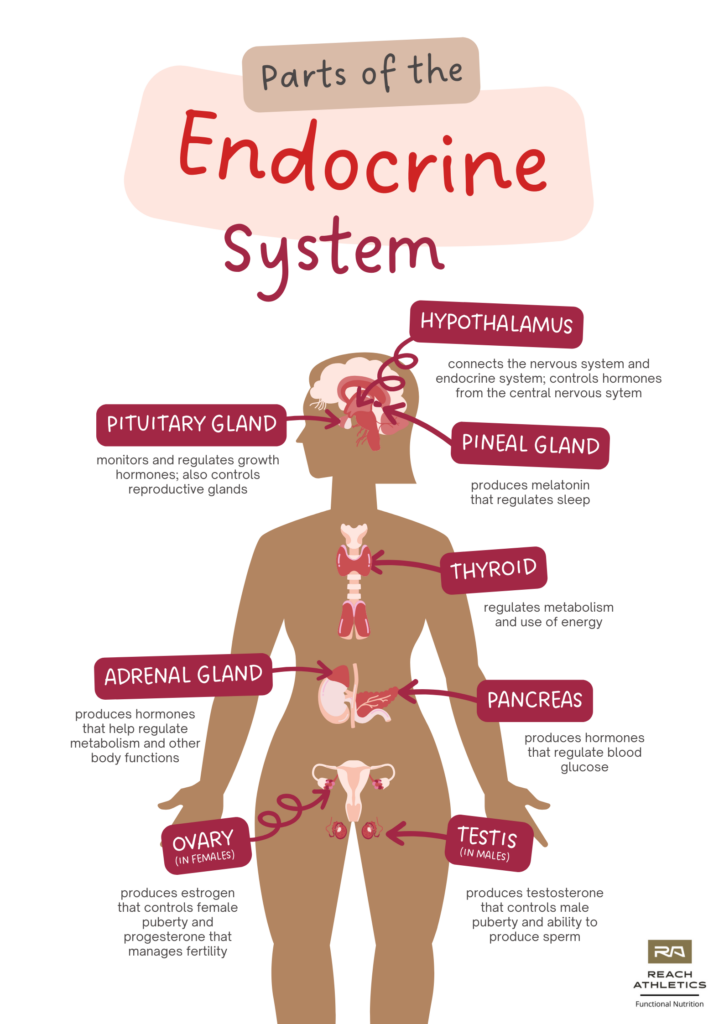
Your endocrine system functions like a finely tuned orchestra, with each hormone playing a critical role in the symphony of your health. When one instrument falls out of tune, the entire performance suffers. Through years of personal experience and research, I’ve come to appreciate the delicate interconnections between our hormones and how they impact virtually every cell in our bodies.
The key players in your hormonal ensemble include:
- Insulin: Regulates blood sugar and energy storage
- Cortisol: Manages stress response and inflammation
- Thyroid hormones: Control metabolism and energy production
- Sex hormones: Include estrogen, progesterone, and testosterone, affecting reproduction, mood, and more
- Melatonin: Governs sleep-wake cycles
When these powerful chemical messengers become imbalanced, your body sends distress signals. The fascinating reality is that these imbalances often manifest in seemingly unrelated ways from persistent acne and irregular periods to chronic fatigue and anxiety. Recognizing these signals is your first step toward reclaiming your hormonal health.
The Hidden Saboteurs of Hormonal Health
Before diving into solutions, let’s unmask the common culprits behind hormonal chaos. In my journey to hormonal wellness, identifying these disruptors was an absolute breakthrough moment.
| Hormonal Disruptor | How It Affects Your Body | Common Sources |
|---|---|---|
| Chronic Stress | Elevates cortisol, disrupts sex hormones, affects thyroid function | Work pressure, relationship conflicts, financial worries, poor work-life balance |
| Environmental Toxins | Mimic hormones, block receptor sites, interfere with natural production | Plastic containers, conventional cleaning products, pesticides, cosmetics |
| Inflammatory Diet | Increases inflammation, affects insulin sensitivity, disrupts gut health | Processed foods, refined sugar, industrial seed oils, artificial additives |
| Sleep Deprivation | Disrupts melatonin, increases cortisol, affects hunger hormones | Screen time before bed, irregular sleep schedule, sleep disorders, caffeine |
What shocked me most was discovering how these factors don’t exist in isolation they create a cascading effect. For instance, when stress elevates your cortisol, it can trigger insulin resistance, which then affects your sex hormones, potentially leading to conditions like PCOS or endometriosis. Understanding these connections empowered me to make targeted changes that addressed the root causes rather than just managing symptoms.
Nourishing Your Hormones Through Nature’s Pharmacy

After years of experimenting, I’ve found that food truly is medicine when it comes to hormonal health. The right nutrients provide the building blocks your body needs to produce and balance hormones naturally. Rather than viewing food as simply calories, I began seeing it as information that communicates directly with my endocrine system.
“Let food be thy medicine and medicine be thy food.” While Hippocrates couldn’t have known about endocrinology when he spoke these words, modern science continues to validate this ancient wisdom, especially regarding hormonal health.
My kitchen became my personal hormone-balancing laboratory, and the results were astounding. Within weeks of making dietary shifts, my energy levels stabilized, my skin cleared, and my mood swings diminished significantly. Here are the power foods that made the biggest difference:
For estrogen balance: Cruciferous vegetables like broccoli, cauliflower, and Brussels sprouts contain compounds that help your liver metabolize estrogen properly. I noticed dramatic improvements in my menstrual symptoms when consuming these vegetables at least four times weekly.
For thyroid support: Sea vegetables (like dulse and nori) and Brazil nuts provide crucial minerals like iodine and selenium that your thyroid gland needs to function optimally. Adding just two Brazil nuts to my daily routine helped stabilize my metabolism.
For adrenal restoration: Adaptogenic herbs like ashwagandha and holy basil have been transformative for my stress response. These botanical allies literally helped “adapt” my body’s reaction to stressors, reducing cortisol spikes that previously derailed my hormonal balance.
Movement Medicine: Exercise That Honors Your Hormones
One of my biggest revelations was learning that not all exercise is created equal when it comes to hormonal health. In fact, some intensive workout routines I previously embraced were actually worsening my imbalances by triggering additional stress responses in my already taxed body.
The breakthrough came when I aligned my movement practices with my menstrual cycle and energy levels. This cyclical approach revolutionized my relationship with exercise and dramatically improved my hormonal symptoms. During the follicular phase, when estrogen rises, I embrace more vigorous activities like HIIT or strength training. During the luteal phase, when progesterone dominates, I shift to gentler practices like yoga and walking.
For those dealing with adrenal fatigue or cortisol dysregulation, I’ve found that replacing intense cardio sessions with strength training, Pilates, and restorative movement creates remarkable improvements. The key is listening to your body’s signals rather than pushing through exhaustion, which can further deplete hormonal reserves.
The Sleep-Hormone Connection: Your Overnight Restoration

Sleep isn’t just rest it’s active biochemical restoration. During my research, I was stunned to discover that even a single night of poor sleep can disrupt insulin sensitivity and increase hunger hormones the following day. No wonder I was experiencing cravings and energy crashes after restless nights!
Implementing a sleep hygiene protocol became a non-negotiable part of my hormonal healing journey. The practice that made the most profound difference was establishing a digital sunset powering down all screens at least 90 minutes before bedtime to protect my melatonin production. This single habit improved my sleep quality so significantly that I noticed improvements in my energy, skin clarity, and emotional stability within days.
Another game-changing practice was temperature regulation. Our bodies need to cool down to initiate quality sleep, which directly impacts hormonal secretion patterns. I began keeping my bedroom cooler (around 65°F/18°C) and experienced deeper sleep and more vivid dreams a sign of proper REM cycles where much hormonal regulation occurs.
Stress Management: Breaking the Cortisol Cycle

If there’s one factor I’ve found to be the greatest hormonal saboteur, it’s chronic stress. When cortisol remains elevated, it essentially “steals” from other hormonal pathways, creating a domino effect of imbalances. Breaking this cycle became paramount in my healing journey.
Through extensive self-experimentation, I discovered that the most effective stress management techniques worked directly with my nervous system. Deep breathing practices that extend exhales longer than inhales activate the parasympathetic “rest and digest” mode, counteracting the fight-or-flight response that elevates cortisol.
My personal stress-reduction protocol includes:
- Morning mindfulness: 10 minutes of meditation or breathwork before checking devices
- Nature immersion: At least 20 minutes daily outdoors, preferably in morning sunlight to regulate circadian rhythms
- Boundary setting: Learning to say no to energy-depleting commitments
- Digital detoxing: Regular periods of disconnection from technology to reduce cognitive load
The results were astounding implementing these practices reduced my anxiety, improved my digestion (which is intimately connected to hormone metabolism), and even normalized irregular periods that had plagued me for years.
The Environmental Factor: Detoxifying Your Surroundings
One aspect of hormonal health that often gets overlooked is our exposure to endocrine-disrupting chemicals. These compounds can mimic our natural hormones or block their action, creating confusion in our delicate endocrine system. When I began systematically removing these toxins from my environment, I noticed surprising improvements in symptoms I hadn’t even connected to hormonal imbalance.
I started by swapping conventional cleaning products for natural alternatives and replacing plastic food storage with glass containers. These simple changes reduced my exposure to phthalates and BPA, which research shows can disrupt estrogen function. Next, I overhauled my personal care products, choosing options free from parabens, triclosan, and synthetic fragrances.
The bathroom cabinet makeover alone made a remarkable difference in my hormone-related skin issues and sensitivity reactions. While it felt overwhelming at first, I approached this as a gradual process, replacing items as they ran out rather than attempting a complete overhaul overnight.
Creating Your Personalized Hormone Balancing Protocol
Through years of working with my own hormonal challenges, I’ve learned that true balance comes from personalization. While the principles I’ve shared create a solid foundation, your unique biochemistry deserves attention. Start by tracking your symptoms throughout your monthly cycle (regardless of whether you menstruate) to identify patterns.
Pay special attention to energy fluctuations, mood changes, sleep quality, and digestive function these are your body’s communication tools. When I began this practice, I uncovered connections between certain foods and symptom flare-ups that no generic protocol could have revealed.
Remember that hormonal healing isn’t linear. There will be setbacks and plateaus along the way. The key is consistency with your foundational practices while remaining flexible enough to adjust as your body responds. What worked wonderfully for me in my 30s required modification in my 40s as my hormonal landscape shifted.
The most powerful realization on my journey has been that our bodies innately move toward balance when given the right support. Rather than fighting against symptoms, I learned to see them as valuable information guiding me toward what needed attention. This perspective shift alone reduced my stress around healing and accelerated my progress.
By implementing these natural approaches consistently, you’ll begin noticing subtle shifts that eventually create profound transformation. The beautiful truth about hormonal healing is that improvements compound over time each positive change creates a foundation for the next level of wellness to emerge.