

Transform Your Dining Experience: The Stunning Art of Food Presentation
Have you ever wondered why restaurant meals look so incredibly appetizing? I’ve spent years mastering the delicate art of food presentation, and I’m thrilled to share these game-changing techniques with you. Beautiful plating isn’t just for professional chefs it’s a powerful way to elevate your home cooking and absolutely dazzle your guests.
When I first started cooking, I focused entirely on taste, completely overlooking how my dishes appeared on the plate. But I quickly discovered that we truly eat with our eyes first. That stunning moment when a plate arrives at the table creates immediate excitement and anticipation. Today, I’ll guide you through essential plating principles that will transform your ordinary meals into extraordinary dining experiences.
The Psychology Behind Beautiful Food Presentation
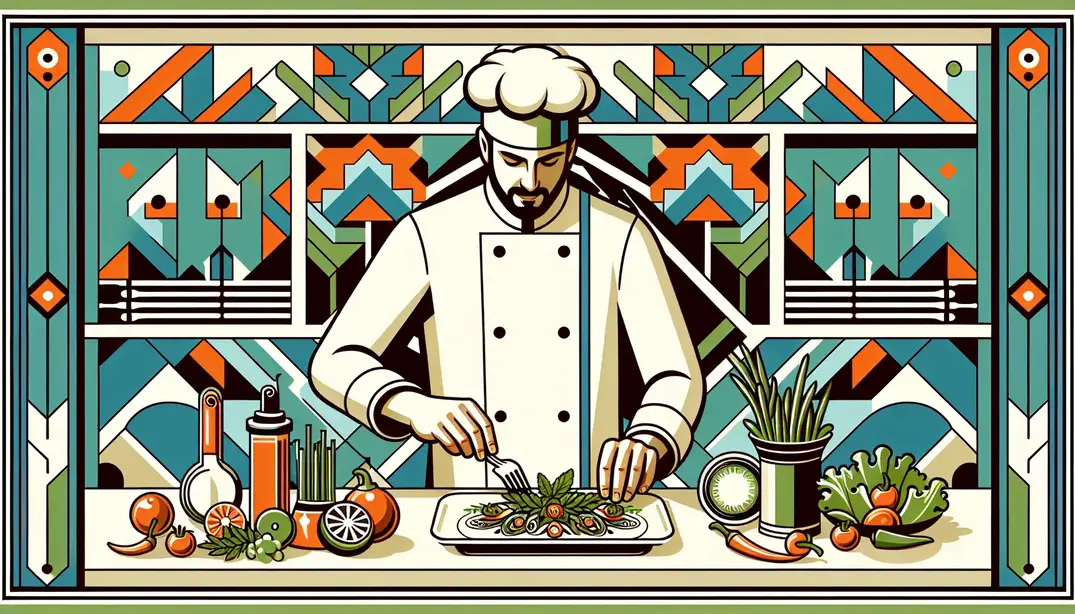
The connection between visual appeal and taste perception is absolutely fascinating. Research consistently shows that beautifully presented food actually tastes better to most people. When we see an attractively plated dish, our brains release dopamine the feel-good neurotransmitter that heightens our sensory experience.
I’ve witnessed this phenomenon countless times when hosting dinner parties. Guests invariably reach for their phones to capture that perfect Instagram moment before taking their first bite. This visual appreciation creates positive expectations that genuinely enhance flavor perception. In fact, studies reveal that diners are willing to pay up to 18% more for the same dish when it’s artfully presented.
Consider the difference between hastily scooped mashed potatoes versus the same potatoes piped into elegant swirls with a sprinkle of fresh herbs. The taste is identical, but the experience becomes dramatically different. By mastering presentation skills, you’re not just feeding people you’re creating memorable moments that linger long after the meal ends.
Essential Tools Every Food Stylist Needs

Before diving into specific techniques, let’s explore the must-have tools that will instantly upgrade your plating game. While professional chefs might have extensive collections, you absolutely don’t need to break the bank to create beautiful presentations.
- Precision tools: Small offset spatulas, tweezers, and squeeze bottles allow for perfect placement of sauces and delicate ingredients.
- Plating rings and molds: These create clean, architectural shapes with rice, tartares, or layered compositions.
- Quality white plates: The perfect blank canvas that makes colors pop while keeping the focus on your food.
- Microplane graters: Essential for creating those beautiful, delicate garnishes that professional chefs love.
I vividly remember hosting my first serious dinner party without these basic tools. The frustration of trying to create neat presentations with household spoons was immense! Investing in just a few dedicated plating tools revolutionized my home cooking experience. Now, I can confidently create restaurant-worthy presentations that make every meal feel like a special occasion.
Mastering Color Theory on the Plate
Color is perhaps the most powerful element in food presentation. When I began studying professional plating techniques, I was amazed to discover that chefs actually use classic color theory principles the same concepts used by painters and designers to create visually stunning dishes.
The most vibrant, eye-catching plates typically feature complementary colors those opposite each other on the color wheel. Think of the classic combination of orange salmon against green asparagus, or purple beets alongside yellow corn puree. These natural color contrasts create immediate visual interest that draws diners in.
| Color | Emotional Response | Food Examples | Complementary Pairings |
|---|---|---|---|
| Red | Excitement, passion, hunger | Tomatoes, strawberries, red peppers | Green herbs, lime zest, pesto |
| Yellow | Happiness, optimism, energy | Corn, yellow peppers, egg yolks | Purple cabbage, blackberries, eggplant |
| Green | Freshness, health, vitality | Herbs, leafy vegetables, avocado | Red meat, tomatoes, raspberries |
| White | Purity, cleanliness, simplicity | Rice, cauliflower, white fish | Black sesame, dark mushrooms, olives |
Beyond complementary colors, consider creating monochromatic plates that explore different shades of the same color family. A stunning green plate might feature avocado, pistachios, green herbs, lime zest, and cucumber. These subtle variations create sophisticated harmony while showcasing your attention to detail.
One crucial tip I’ve learned: always incorporate at least one bright accent color to prevent monochromatic plates from appearing dull. Even a minimalist white fish dish springs to life with a tiny sprinkle of bright microgreens or a few drops of vibrant sauce.
The Rule of Odds: Creating Visual Balance

Have you ever noticed that professional food photographs often feature three scallops instead of four, or five asparagus spears rather than six? This isn’t random it’s because odd numbers create more dynamic, interesting compositions than even numbers.
I discovered this “rule of odds” principle through countless hours of practice, and it instantly improved my plating. Our brains naturally find odd-numbered groupings more appealing and artistic. When elements are arranged in pairs, they create symmetry that feels too perfect and static. Odd numbers create natural visual tension that guides the eye around the plate.
“The difference between a good plate and a great one often comes down to intentional asymmetry. Perfect balance rarely means perfect symmetry.”
Beyond simply counting elements, consider varying heights on your plate to create dimension. A flat arrangement instantly becomes more interesting when you add vertical elements. Try leaning sliced proteins against vegetables, stacking components strategically, or using herbs that stand upright. This three-dimensional approach transforms plates from flat compositions into exciting landscapes that captivate diners before they even take a bite.
The Power of Negative Space
One of the most common mistakes I see among home cooks is overcrowding the plate. When I first started plating more consciously, I was tempted to fill every inch of space more food seemed more generous, more impressive. I couldn’t have been more wrong!
Professional chefs understand that negative space the empty areas on a plate actually enhances the visual impact of your food. Just as a beautiful painting needs breathing room around the subject, your culinary creations need space to be properly appreciated. Negative space creates focus, drawing attention to your perfectly prepared protein or beautifully arranged vegetables.
I’ve completely transformed my approach by embracing the “less is more” philosophy. Now I serve smaller portions with more thoughtful presentation, and the reaction from guests has been overwhelmingly positive. People genuinely appreciate the care and intention behind a well-composed plate with appropriate negative space.
When plating, imagine drawing an invisible frame slightly inside the plate’s edge. Keep your composition primarily within this frame, allowing the rim to serve as a clean border. This approach instantly creates a more refined, restaurant-quality appearance that signals careful attention to detail.
Saucing Techniques That Wow

Mastering sauce application was truly the breakthrough moment in my plating journey. The difference between randomly spooning sauce onto a plate versus applying it with intention is absolutely remarkable. With just a few simple techniques, you can transform ordinary sauces into artistic elements that elevate your entire presentation.
Here are my favorite methods that instantly create professional-looking results:
- The drag: Place a small pool of sauce on the plate, then use the back of a spoon to create a graceful sweep across the plate.
- Dots and drops: Use squeeze bottles to create perfect circles in varying sizes, then drag a toothpick through them to create hearts or feathered patterns.
- The paintbrush method: Literally paint sauces onto plates using clean, food-safe brushes for artistic, abstract designs.
- The hidden pool: Create a shallow well in purees or mashed components, then fill it with sauce that reveals itself only when cut into.
I particularly love using contrasting sauces to add visual drama. A bright herb oil alongside a rich reduction creates stunning color contrast while offering different flavor dimensions with each bite. Remember that sauces aren’t just flavor enhancers they’re visual tools that guide the diner’s eye and create movement across the plate.
Texture: The Often Overlooked Element
While colors and composition get most of the attention in food presentation, texture differences create depth that truly elevates a dish. I’ve learned that incorporating multiple textures isn’t just pleasing to the palate it creates visual interest that makes plates more appealing.
Consider the visual contrast between a silky puree, a perfectly seared protein with caramelized edges, and the bright pop of crunchy elements scattered across the top. These texture variations create natural highlights and shadows that make food photography-worthy without any special lighting or filters.
I always try to incorporate at least three distinct textures on every plate:
Soft elements provide the foundation think creamy polenta, velvety mashed potatoes, or smooth purees. Tender components usually form the center of the plate, like perfectly cooked meats or fish with their juicy interior and caramelized exterior. Finally, crunchy elements add that crucial textural contrast toasted nuts, crispy herbs, delicate tuiles, or even carefully placed microgreens.
This approach ensures that each bite offers a different sensory experience, keeping diners engaged throughout the meal. The visual suggestion of these textural differences creates anticipation before the fork even touches the food.
Seasonal Garnishes That Elevate Any Dish
Thoughtful garnishing is truly where home cooks can achieve professional-level presentation with minimal effort. I’ve transformed countless simple meals into special occasions through strategic use of fresh, seasonal garnishes that enhance both the appearance and flavor profile of the dish.
The golden rule I follow: garnishes must always be edible and complementary to the dish’s flavors. Gone are the days of random parsley sprigs or inedible flowers! Today’s garnishes should add genuine value to both the visual presentation and the eating experience.
Some of my favorite garnishing techniques include creating herb oils that can be drizzled or dotted around plates, using microgreens for height and delicate texture, making vegetable curls or ribbons for architectural elements, and carefully placing edible flowers for stunning color pops.
I’m continually amazed by how even the simplest dishes can be transformed with thoughtful garnishing. A basic bowl of risotto becomes restaurant-worthy with a few strategically placed fried sage leaves, a drizzle of brown butter, and a light dusting of freshly grated Parmesan. These small touches signal care and attention that guests invariably appreciate.
When approaching garnishing, consider it the finishing touch rather than an afterthought. Plan your garnishes as carefully as your main components, ensuring they complement both the visual composition and flavor profile of your dish.
Practical Plating Tips for Entertaining
After years of hosting everything from intimate dinners to large gatherings, I’ve developed practical strategies for creating beautiful plates even when serving multiple guests. The key is preparation and understanding which elements can be prepared in advance versus those that must be done in a minute.
For stress-free entertaining with impressive presentation, I recommend preparing as many components as possible ahead of time. Pre-portion proteins, prepare sauce bases that can be quickly finished, and have garnishes cleaned and ready. Consider serving styles that allow for quick assembly, like composed plates that showcase pre-arranged elements.
Remember that temperature affects presentation dramatically. Hot foods begin to wilt delicate garnishes and cause sauces to thin, while cold elements often sweat as they warm. I always plate hot components last, adding chilled elements just before serving to maintain their visual appeal.
Most importantly, practice your plating before the event! I’ve learned this lesson the hard way attempting complex presentations for the first time with guests waiting is a recipe for stress. Take photos of your practice plates to reference during service, ensuring consistent presentation throughout the meal.
With these techniques in your culinary toolkit, you’re well-equipped to create stunning presentations that will absolutely delight your guests. Remember that beautiful plating isn’t about perfection it’s about intention, balance, and creating moments of genuine pleasure around your table. Happy plating!